
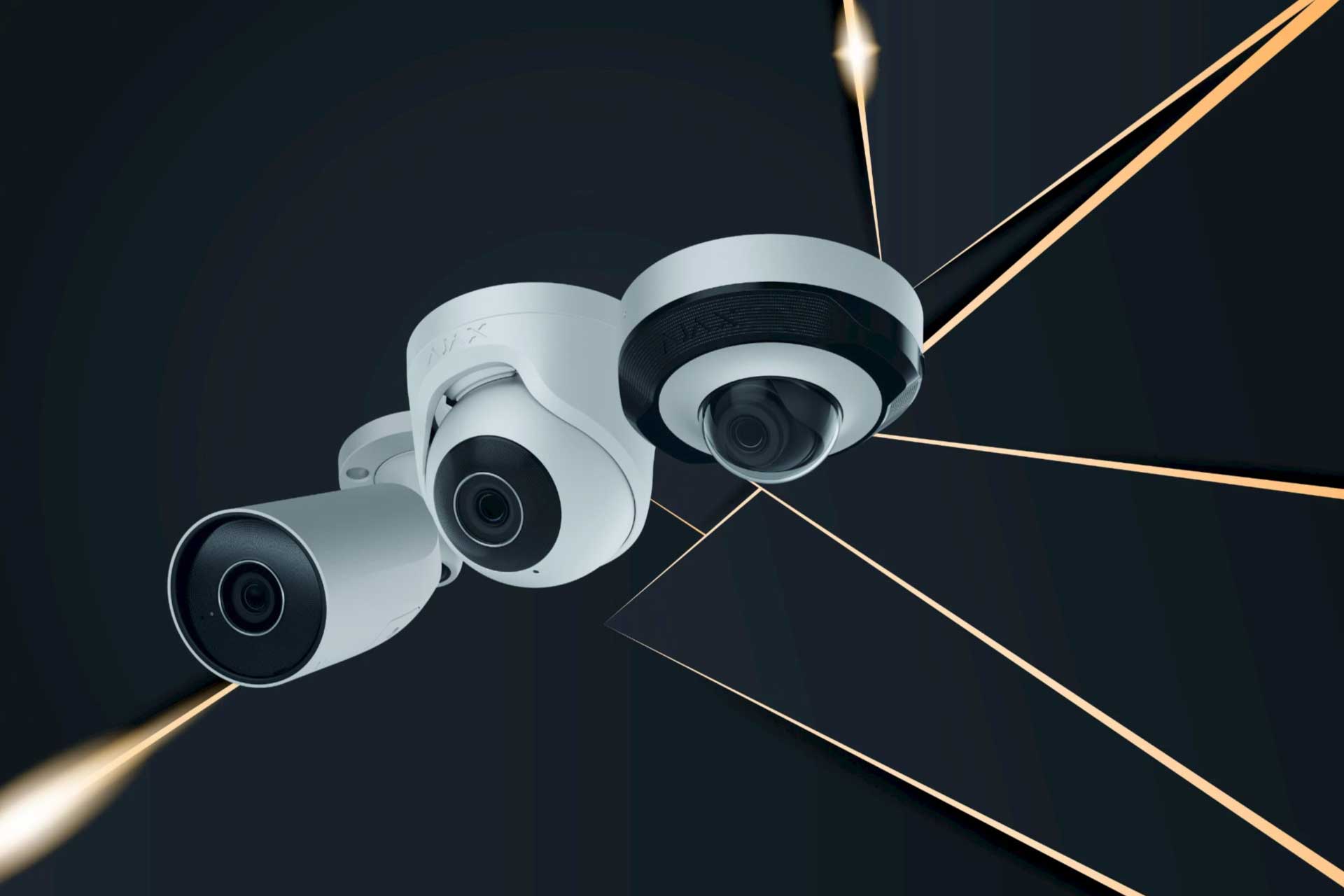
In the case of the resolution of disputes, footage from security cameras is extremely vital. This applies to commercial and domestic situations. It doesn’t matter if it’s a dispute between families, and employees or disputes between employees and customers, by referring to CCTV footage, it’s crucial to select the most effective cameras.
In businesses, companies ensure employees are secure, and also safeguard other elements such as corporate property, confidential data and valuable items commercial-grade security cameras are essential and are highly recommended for any business setting, from large firms to small-scale business locations.
CCTV cameras best suits for businesses
Bullet camera
Bullet CCTV is a common feature of the industry of surveillance. They are named for their bullet-like appearance. they’ve also been referred to as lipstick cameras. Whatever the name they can be identified as a classic standard for commercial and residential security systems. Their design is suitable for the majority of outdoor applications since they can be easily hung on the walls’ sides.
The distinctive bullet-shaped design makes these cameras a focal point in all settings. The shape is an unbeatable security measure for thieves more likely to target buildings and homes that do not have an evident security system. SCW’s bullet cameras will be noticed by intruders who might want to break into your home.
Workplace cameras
There are a variety of reasons why audio cannot be recorded at work legally and practically. According to the data protection law, It is unlawful to record employees’ conversations without them recognizing or agreeing on the fact that they are monitored. Audio surveillance in the workplace is incredibly expensive, and that is the reason most CCTV camera models don’t include microphones. This assists in keeping manufacturing costs low. It is illegal and unethical to record conversations without consent inside the workplace since it is disruptive and infringes on the right for Privacy part of HRA 1998 as well as the British Bill of Rights. The main issue when recording sounds at work is that there are plenty of distractions because of all the activity happening, it’s difficult to locate anything of value, which is why the audio recording camera will cost a lot and be difficult to set up.
According to the rules law, the data protection laws don’t provide an exhaustive list of those who can view CCTV footage. It is the responsibility of the CCTV operator to determine who has the right to view the recorded footage.
The DPA does require access to the images and is restricted to only the people who need it to meet the goal that the DPA is designed to serve.
The goal of keeping this list as short as possible is not just an obligation under the law, but most of the time it’s also a good operational procedure.
Do employees have the right to request access to CCTV footage?
In addition to the designated staff, CCTV footage can be accessible to other people in certain circumstances.
Under the law, any person has the right to access CCTV footage of themselves in which they are featured, on the request of, Anyone can request to view footage of themselves however, they are not able to request the right to access CCTV footage of anyone else.
Cameras at your home
The recording of audio and CCTV systems in your home is essentially your choice and, in this case, the law is more permissive about the use of CCTV since it’s your domestic property as well as your privacy rights. Audio cameras could be installed within the home to be used during your vacation, to ensure complete security. If domestic CCTV is active every day it is essential to communicate with your family and friends that visit the house to let them know about the existence of these cameras. The ideal situation is that audio CCTV is best utilized when you’re not there, which means you only record what you’ll require in the event of a home burglary. This will allow you to find the vital footage that you need to find criminals and ensure justice.
Can my neighbour have CCTV pointing at my house?
Your neighbour is legally entitled to put surveillance cameras in their home that captures images for security and surveillance video purposes. So long as the security cameras aren’t recording personal information, there’s nothing that can stop the possibility of recording your property’s location within the camera’s view.
Likely, the security camera of your neighbour should not detect images beyond what is intended or anything that a pedestrian strolling down the street would not be able to discern. There’s no guarantee of privacy in your front yard since anyone can stroll past your home and observe it.
If your neighbour’s security camera is set so that it’s recording the interior of your house and your privacy is at risk, then it could be invaded.
Your Right to Privacy
Like your neighbour who is entitled to secure their property with surveillance equipment, so too do you have a right to privacy in your home.
The most fundamental rule boils down to expectations. If you’re on your lawn, you’re not in a location where you’re entitled to an expectation of privacy and thus you might be recorded by the neighbour’s security cameras.
If you’re inside your room, then you’re located in an area in which you expect privacy. In this scenario, it is illegal for anyone to take your personal information without your permission.
But I get it. It’s not easy. What happens if the house you live in is within your neighbour’s security camera’s field view, and you don’t have curtains covering your windows? It’s not a reasonable expectation of privacy. Any person who walks by your home can see through your windows. The windows of your house can be seen by your neighbour’s security camera isn’t a violation of your privacy. All you have to do is hang some curtains.
However, what happens if the neighbour’s security camera features an impressive zoom range, and they’ve set up the CCTV camera in such as to record activities happening at your home, but not be readily visible to eyesight? If this is the case it’s possible to make a move to have the camera of your neighbour taken down. If you think your privacy rights may be being infringed by the neighbour’s surveillance camera it is recommended that you seek legal advice for advice on what you can do.
In the majority of the cases, there isn’t a legal violation. The neighbour you live next to is probably not intruding on your privacy by using the security camera they have installed. If you’re uneasy about the CCTV system of your neighbour, there are some actions you can take. The most important factor here is to communicate clearly.
Better security is more affordable than you might think.